Why Your Floor Plan, Interior Design & Appliance Selections Should Come Before Your Electrical Plan
- Grace

- Jul 7
- 2 min read
When it comes to building or renovating your dream home, the excitement often centres around the end result - the tiles, paint colours, finishes and the overall look.
However, long before that stage, it’s essential to consider how your home will function day to day; with lighting and electrical being one of the key components.
The secret to a well designed home is thoughtful planning. It starts with locking in your floor plan, the interior design and appliance selections early - before your electrical plan is finalised.
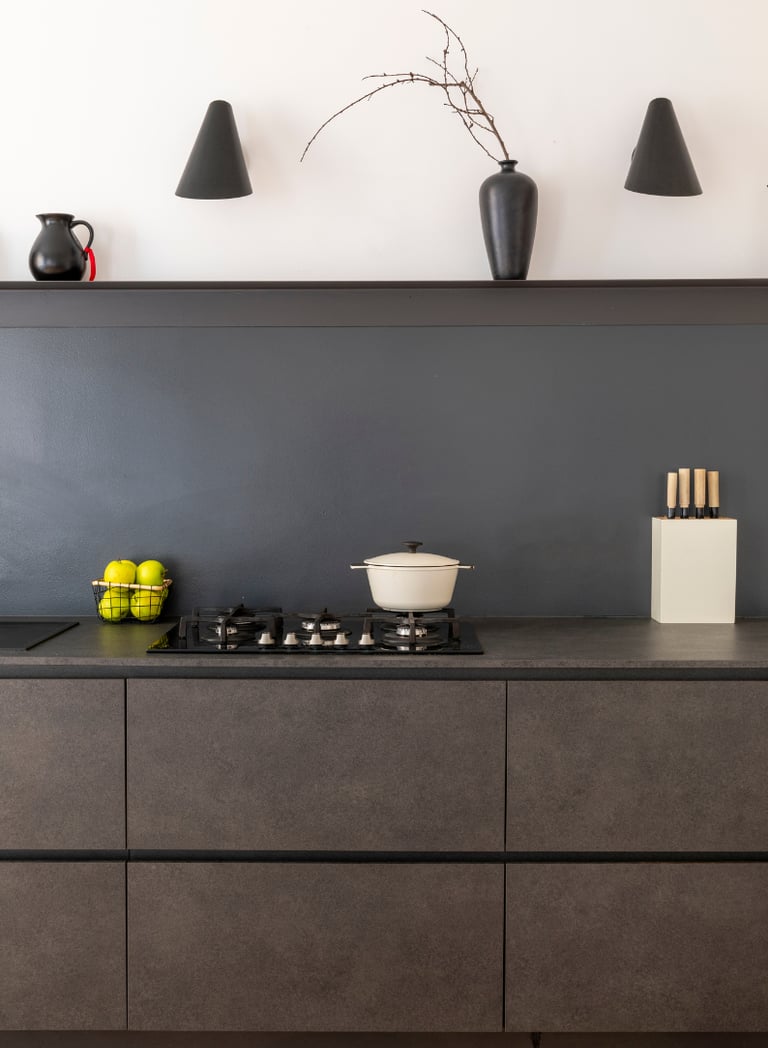
Your lighting and electrical layout follows directly from the interior design. So deciding where your wall sconces will go, how your room lights operate, where to place switches and even where you’ll plug in your hair dryer, all these decisions should be considered well before the walls are closed and tiles are laid.

The Benefits of Pre Planning
Having your interior layout and appliance choices confirmed early means:
Power and lighting can be positioned exactly where they’re needed
Custom joinery can be designed around functional power access
Creating optimal lighting to enhance the mood and purpose of each space
You avoid last-minute compromises or unexpected costs
This is why we always recommend finalising your floor plan, interior layout, joinery design and key selections such as lighting, appliances and mirrors—before locking in your electrical plan with your builder or electrician.
Why It Matters
Without early planning, thoughtful details like backlit mirrors, under-vanity lighting or power points in drawers can become difficult, expensive or even impossible to install later. This is especially true if you’re working with double brick or rendered masonry walls, where retrofitting cables can require major disruption or compromise.

Checklist for the Planning Stage
During the pre construction phase of your build or renovation, consider these features that you may wish to include:
Kitchen:
Integrated appliances such as a fridge or dishwasher
Zip tap
Under cabinet or shelf lighting
Wall sconces or task lighting
In drawer charging points
Dedicated coffee station
Powerpoint options for your island
Bathroom:
Under vanity sensor lighting
Under floor heating
Night time sensor lighting
General:
Automatic sensor lights in pantry cupboards or hallways
Centralised automated lighting control
Exterior and garden lighting
In wall vacuum system
Home security wiring and camera points
Intercom systems
Power provision for future needs
This list is not exhaustive and I recommend discussing your lifestyle, routines and future needs with your interior designer to ensure your electrical plan supports the way you want to live.
Final Thoughts
Plan Carefully for Maximum Functionality
A beautifully functioning home doesn’t happen by accident. It’s created through thoughtful, intentional planning from the start. When you work with your interior designer and your electrician early in the process, the result is seamless: form meets function.
So before the tiles go down and the walls are rendered, make sure your electrical plan matches your vision.


Comments