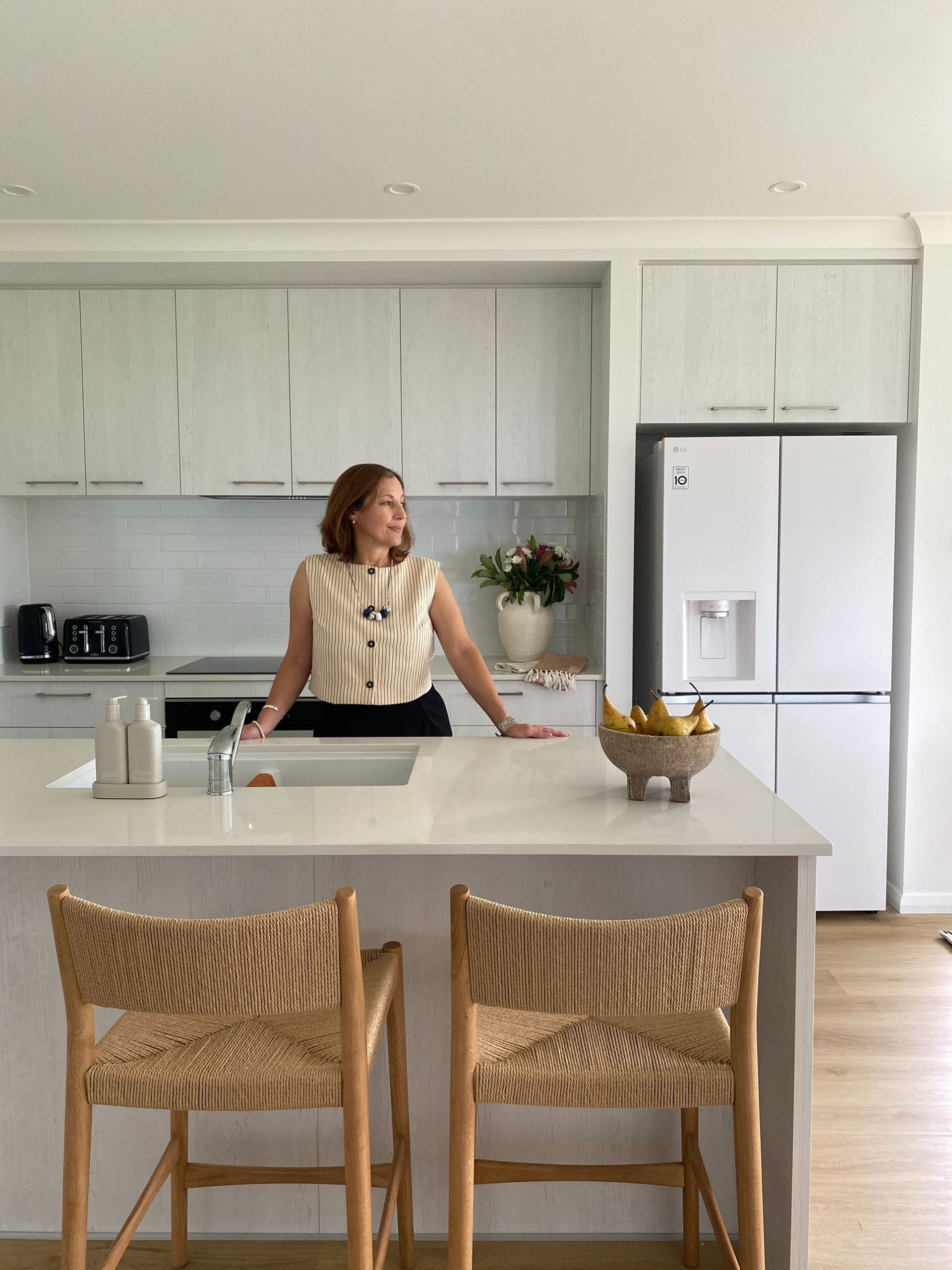
Top Kitchen Design Trends to watch for in 2026 that will transform your space
- Grace

- Dec 6
- 3 min read
As we approach 2026, new design trends are emerging that promise to transform kitchens into more inviting, efficient and personalised spaces.
Whether you are planning a full renovation or just looking for fresh ideas, understanding these trends will help you create a kitchen that feels modern and timeless.

This guide explores the top kitchen design trends for 2026, offering practical insights and examples to inspire your next project.
Natural Materials
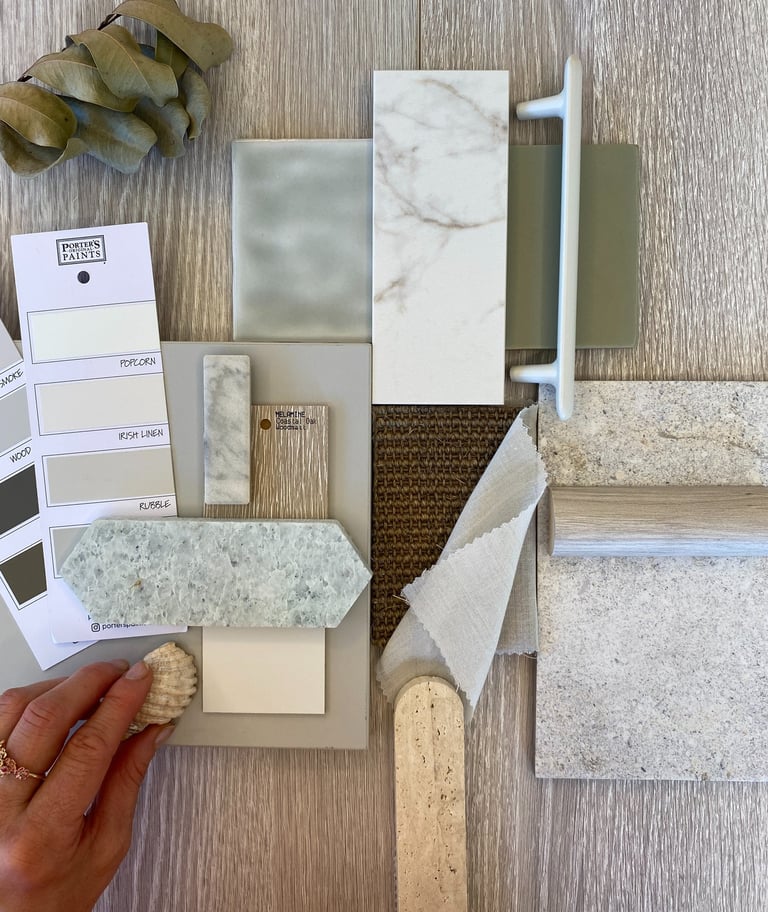
In 2026, kitchens will continue to move away from cool, almost sterile finishes (such as gloss) towards warmer, more natural and textural materials. Wood, stone and other organic textures will create an inviting yet sophisticated aesthetic.
Wood finishes: Expect to see a rise in wood cabinetry and open shelving. Lighter woods like oak will still be extremely popular however darker tones such as walnut will be on the rise. These darker tones give the kitchen depth and a sense of timelessness.
Stone bench tops: Marble (Carrara, Statuario) and quartzite (especially Taj Mahal) will remain popular. Engineered stone with low silica and as well as corian will also be in demand.
Metals: unlacquered brass, bronze and gun metal taps and hardware will feature tying in beautifully with the wood and stone.

Warm Tones
Our love of warmer tones will continue as kitchens feature soft organic palettes.
Warm beiges will replace stark whites making kitchens feel more grounded and inviting especially when balanced with timber.

Greys aren't gone forever but we will see them in warmer versions such as taupes and greiges.


Variations of rose - people are more open to expressing themselves through colour and I have seen burgundy being used this year and in 2026 we will start to see lighter variations such as dusty rose and terracotta.


Integrated appliances for a seamless look
Kitchens in 2026 will be leaning towards clean lines and uncluttered surfaces. One way to achieve this is with integrated appliances.
Integrated refrigerators and dishwashers: These appliances come with customisable fronts to discreetly match your cabinets
Built-in coffee machines and microwaves: Placing these appliances within cabinetry or walls saves counter space and maintains a streamlined appearance.

Smart kitchens
Technology continues to reshape kitchen design. In 2026, the focus will be on intuitive, user-friendly smart features that simplify daily tasks without overwhelming the space.
Voice-activated controls: From lighting to appliances, voice commands will allow hands-free operation, improving convenience and hygiene.
Smart taps and sinks: Hands free taps with temperature presets and water-saving features will become common.
Connected appliances: Refrigerators that monitor food inventory, ovens that suggest recipes and dishwashers that optimise cycles based on load size will enhance efficiency.
Appliance cabinets
As we continue to move towards clutter free zones, creating a dedicated cabinet for small appliances will be popular. If you have the space for a large walk in pantry then your small appliances would be housed here. When your kitchen is not large, setting aside a cabinet for all miscellaneous appliances means that when they're not being used, the doors can be closed to keep them out of sight.

I am currently designing a kitchen where my clients have specifically requested an appliance hutch. When the appliances are not being used, they'll be out of sight behind bi-fold doors. It will serve as a small work zone disguised as beautiful joinery.
Sustainable and eco-friendly choices
Sustainability will be a key driver in kitchen design decisions, with homeowners looking for materials and products that reduce the environmental impact. Some of these include:
Recycled and renewable materials: Cabinets made from reclaimed wood, bench tops from recycled glass, and eco-friendly flooring options will gain popularity.
Energy-efficient appliances: Look for ENERGY STAR-rated refrigerators, ovens and dishwashers that lower electricity bills and carbon footprints.
Water-saving fixtures: Low-flow taps and dual-flush toilets in adjacent kitchen areas will conserve water without sacrificing performance.
Open Shelving and Display Spaces
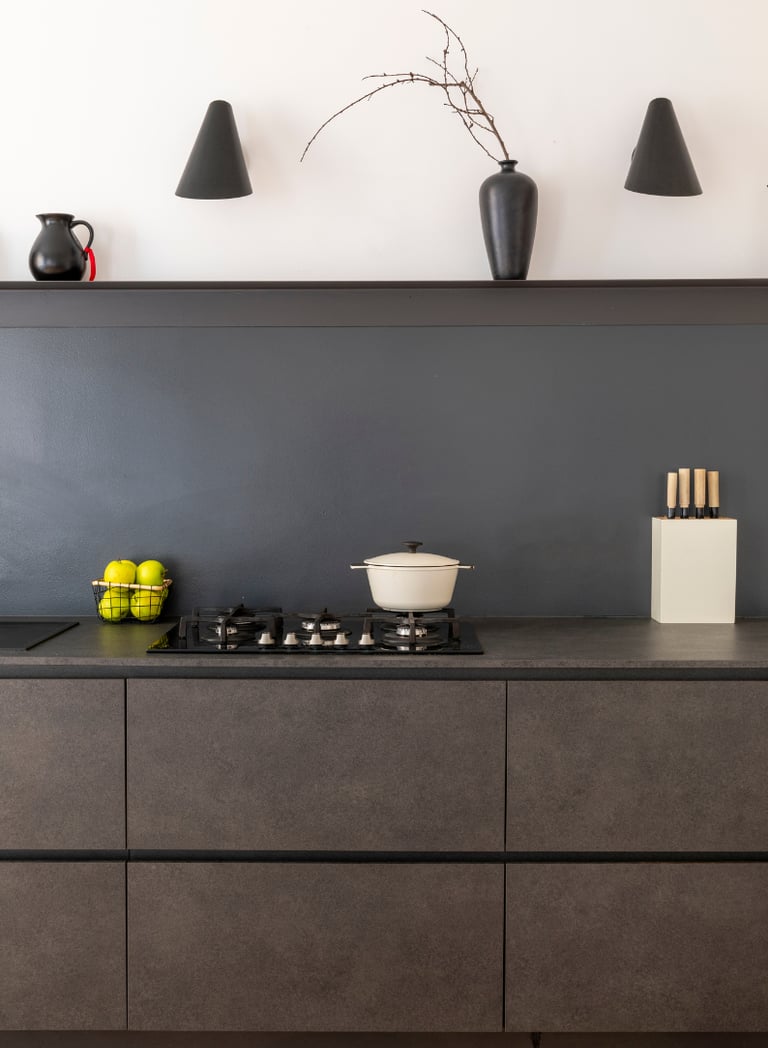
Open shelving will continue to replace upper cabinets in many kitchens, offering both practical storage and a chance to showcase beautiful crockery and decor accessories.
Floating shelves: Minimalist shelves in wood or metal provide easy access and a light, airy feel.
Glass-front cabinets: These offer protection from dust while still displaying items attractively.

Do any of these trends resonate with you? If your kitchen needs renovating and you'd like to explore the possibilities of a new design then I'm happy to discuss the way forward and help you create your dream kitchen.


Comments